
Pakistan Targets 90% Clean Energy by 2034
February 23, 2026
MOL Pakistan announces gas discovery in Tal BlockOman envoy tells petroleum minister request for priority energy cargoes will receive positive consideration
April 7, 2026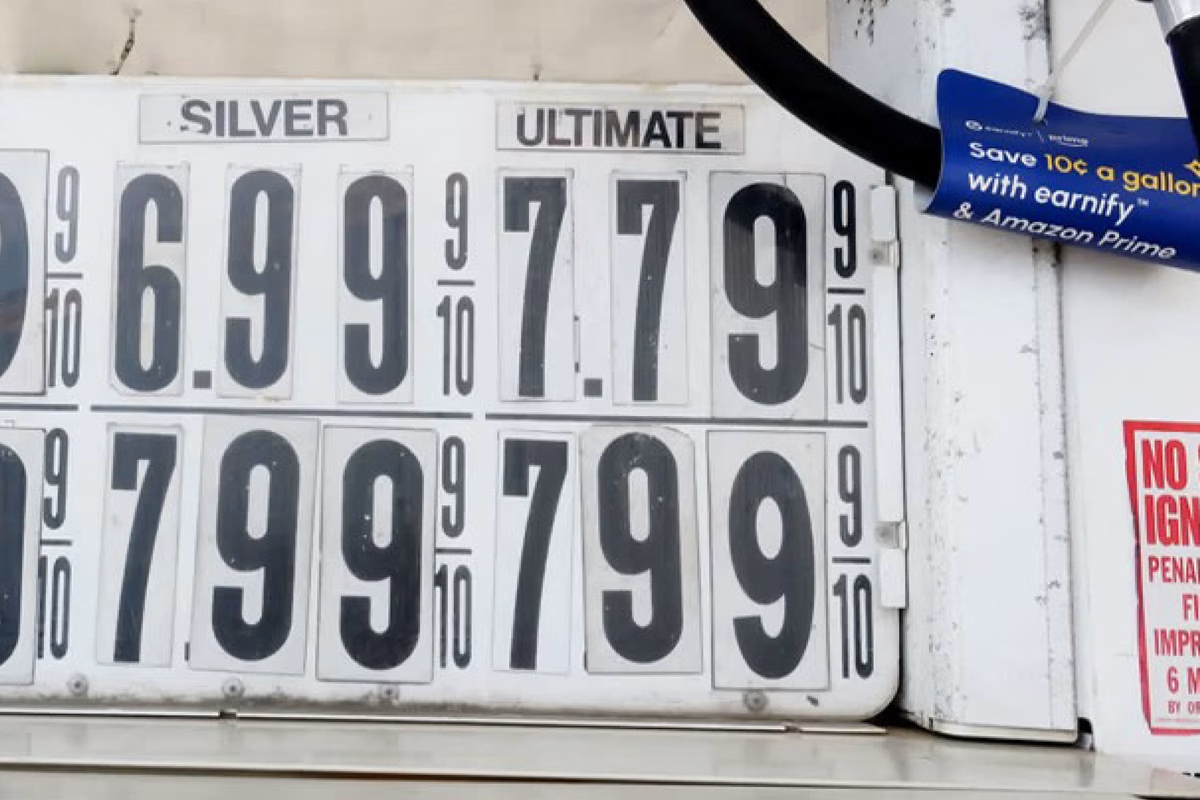
Critics say Donald Trump has, perhaps inadvertently, highlighted the fragility of the fossil fuel era through his aggressive stance on Iran, threats to seize its oil, and simultaneous curbs on clean energy initiatives in the United States.
The ongoing US and Israeli military campaign in Iran and southern Lebanon has inflicted significant humanitarian and environmental damage, with the risk of further escalation likely to intensify emissions, deepen climate impacts, and disrupt access to essential resources such as clean water.
Iran’s move to disrupt the Strait of Hormuz—a corridor that carries roughly one-fifth of global oil supplies—has unsettled international markets, sending energy prices higher and adding more than $100 billion in extra costs for consumers worldwide since the conflict began. Fuel prices in the US have also risen sharply
Energy expert Alice Hill said the crisis underscores the inherent risks of fossil fuel dependence, noting that countries investing in renewables such as wind and solar are better positioned to absorb such shocks, while those resisting the transition face greater vulnerability.
Scientists have consistently warned that a swift shift away from fossil fuels is critical to avoiding severe climate consequences. Although emissions remain elevated, the declining cost of renewable technologies has driven record levels of global investment.
Nevertheless, Trump has continued to push for expanded oil and gas production, downplaying environmental concerns and even suggesting control over oil resources in countries like Iran and Venezuela.
The fossil fuel dimension of the conflict is also evident in threats to critical infrastructure, including Kharg Island, where the bulk of Iran’s oil is processed. Analysts caution that targeting such facilities could breach international law and further drive up global energy costs.
Recent developments have also highlighted the environmental toll of fossil fuels. Strikes on Iranian oil sites have released toxic pollution, while in the US, climate-linked heatwaves have coincided with oil spills and industrial incidents.
At the same time, the administration has moved to slow the growth of clean energy by halting projects, reducing subsidies, and even compensating firms to abandon renewable plans. Environmental safeguards have also come under strain, with proposals to weaken protections for endangered species to facilitate more drilling.
Critics argue that such policies entrench reliance on fossil fuels, heightening exposure to geopolitical tensions, environmental harm, and economic instability, rather than accelerating the transition to cleaner, more resilient energy systems.