
Oman envoy tells petroleum minister request for priority energy cargoes will receive positive consideration
April 7, 2026
Government considers weekend smart lockdown to curb energy use
April 7, 2026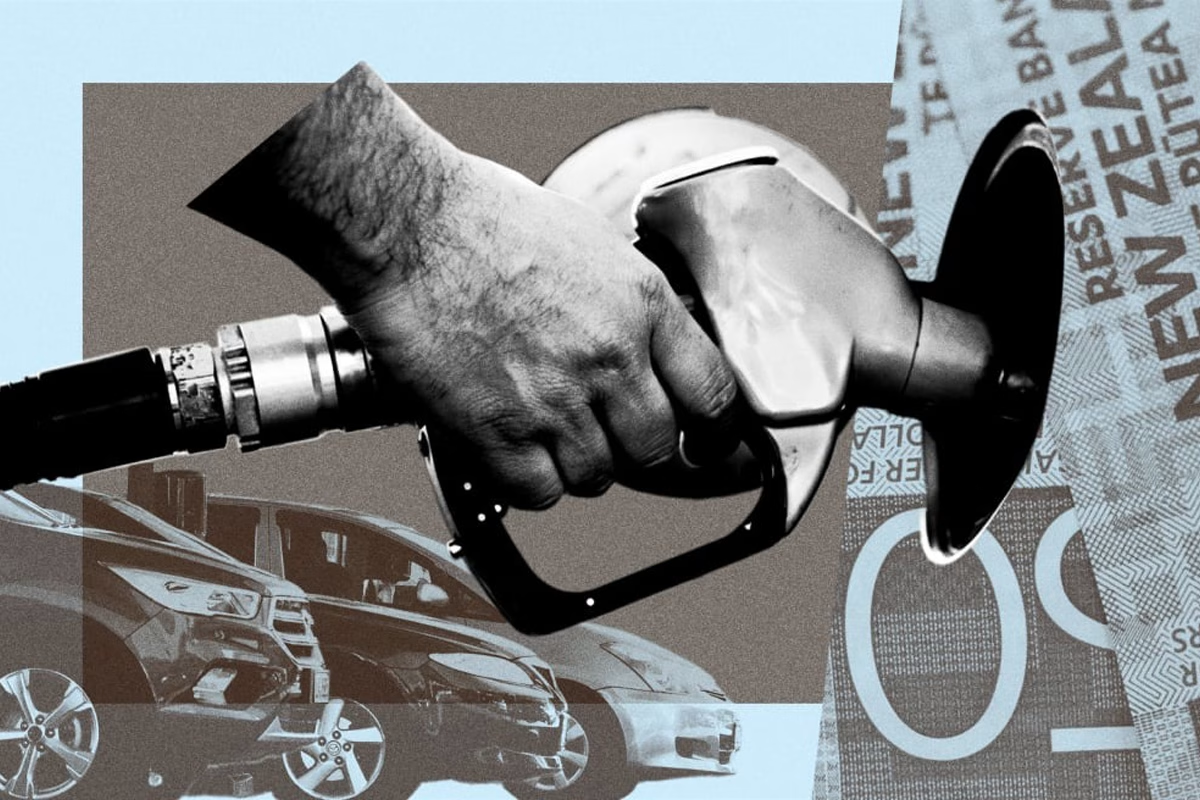
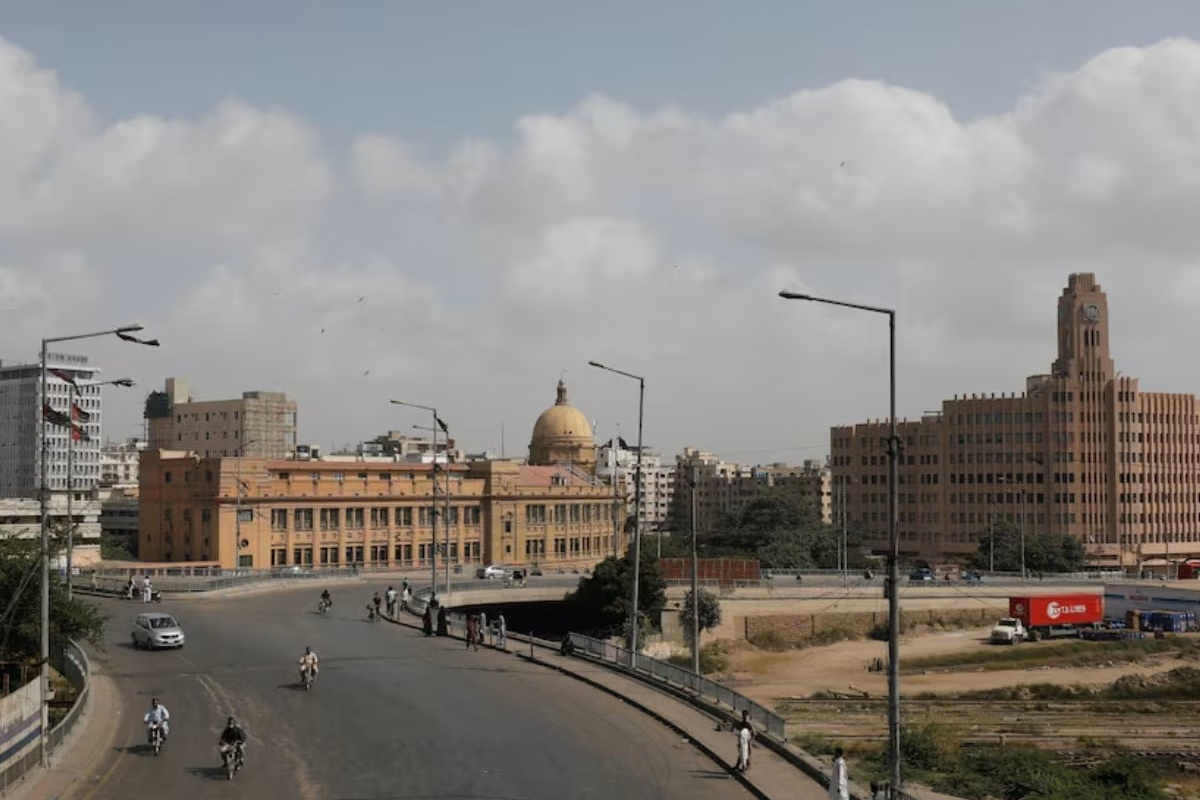
Pakistan has rolled out wide-ranging emergency austerity and fuel-saving measures following disruptions in oil and gas supplies triggered by the ongoing US–Israel conflict with Iran and rising tensions across the Middle East.
In a televised address, Prime Minister Shehbaz Sharif warned that interruptions to shipping through the Strait of Hormuz—a critical artery for global energy trade—pose a serious threat to Pakistan’s economy.
Describing the region as being “effectively at war,” the prime minister unveiled a series of measures aimed at cutting fuel consumption. These include a temporary four-day workweek for government offices and extended spring holidays for schools through the second half of March.
Half of all government employees will work remotely on a rotating basis, with the private sector encouraged to adopt similar arrangements. Key industries such as banking, however, have been exempted.
Educational institutions will remain closed for two weeks, though exams will proceed as scheduled. Universities have been instructed to shift to online classes to further reduce fuel use.
Additional austerity steps include federal and provincial cabinet members giving up their salaries and perks for two months, while lawmakers will face a 25% pay cut during the same period. Officials have also been directed to limit foreign travel to essential trips only, and strictly in economy class.
All in-person government meetings have been suspended in favour of virtual sessions, and fuel allocations for official use have been reduced. The public has also been urged to limit gatherings, with weddings and events capped at 200 guests and restricted to a single main dish.
Pakistan’s heavy reliance on imported energy—over 80% of its oil needs—has intensified the impact of the crisis. The recent supply shock has driven a sharp surge in fuel prices, marking one of the steepest increases in the country’s history.
Experts note that transport accounts for the bulk of petroleum consumption, meaning structural changes—such as shifting freight from road to rail—are essential for long-term relief. Others warn that currency depreciation could further amplify the economic strain by driving up inflation.
The crisis also extends to natural gas. Pakistan has depended on imported liquefied natural gas (LNG) since 2015, with a significant portion of its electricity generation tied to these imports. Much of this supply passes through the Strait of Hormuz, where ongoing hostilities have disrupted energy flows.
The timing has compounded difficulties for households, as the fuel crunch coincides with the final days of Ramadan and the lead-up to Eid al-Fitr. Rising transport and food costs are placing added pressure on families during a period typically marked by increased spending.
For many workers, especially those reliant on daily mobility, the surge in fuel prices is directly affecting livelihoods—forcing difficult choices and scaling back plans for the upcoming holiday.